
What Is Emergency Heat — and When Should You Use It?
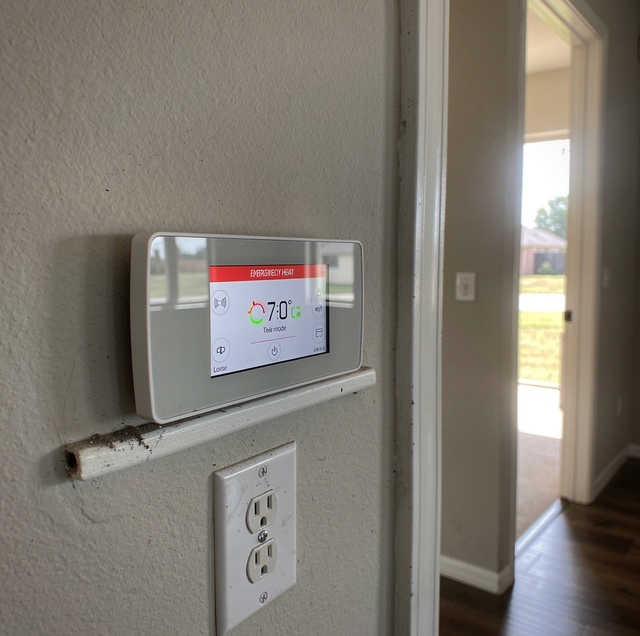
Quick Answer: Emergency heat is a setting on a heat pump's thermostat that bypasses the heat pump and heats your home using only the backup (auxiliary) heat source — typically electric heat strips or a furnace. It exists for when the heat pump itself isn't working, such as a malfunction or damage to the outdoor unit. You should use it only as a temporary measure when the heat pump has failed and you need heat until it's repaired — not for normal cold weather, since the heat pump and its automatic backup handle that on their own. Emergency heat usually costs more to run and isn't meant for everyday use. If you need it, it's a sign to have the heat pump serviced.
If you have a heat pump, you've probably noticed an "emergency heat" or "Em Heat" setting on your thermostat and wondered what it does and when to flip it on. It's a commonly misunderstood feature — and using it at the wrong time can cost you. Understanding what emergency heat is and the specific situations it's for helps you use it correctly.
What Emergency Heat Actually Does
A heat pump normally heats your home by moving heat from outside in — an efficient process that works well in most conditions. Heat pump systems also include a backup heat source, called auxiliary or supplemental heat, usually electric heat strips or sometimes a furnace, that kicks in automatically when it's very cold or when extra heat is needed.
Emergency heat is different from that automatic backup. When you switch your thermostat to emergency heat, you're telling the system to bypass the heat pump entirely and heat your home using only the backup heat source. So emergency heat doesn't add to the heat pump — it replaces it, running the home on the auxiliary heat alone. That distinction is the key to understanding when to use it.
When You Should Use It
Emergency heat is meant for one situation: when the heat pump itself isn't working, and you need heat until it can be repaired. If the heat pump has malfunctioned, the outdoor unit is damaged or broken, or it's otherwise failed to provide heat, switching to emergency heat lets your backup heat source keep the home warm in the meantime. It's a temporary stopgap to maintain heat during a heat pump failure. So, the right time to use it is when your heat pump has genuinely stopped working, and you are keeping the house warm until a technician can fix it.
| Situation | Use emergency heat? |
|---|---|
| Heat pump has failed or broken | Yes, temporarily until repaired |
| Outdoor unit damaged | Yes, as a stopgap for heat |
| Normal cold weather | No — heat pump and auto backup handle it |
| Just feeling cold | No — let the system run normally |
| Want to "boost" heat faster | No — that's not its purpose |
When You Should Not Use It
Just as important is when not to use emergency heat. It's not for normal cold weather. In ordinary cold conditions, your heat pump runs as designed, and its automatic auxiliary heat assists when needed — you don't have to do anything. Switching to emergency heat in normal cold weather bypasses the efficient heat pump unnecessarily and runs only the backup heat, which typically costs more to operate. It's also not a "boost" button to heat the house faster or warmer; that's not what it does. Using emergency heat when the heat pump is working fine just runs your system in a more expensive mode for no benefit. Reserve it for an actual heat pump failure.
Why It Costs More and Isn't for Everyday Use
The reason emergency heat isn't meant for regular use is efficiency and cost. The heat pump is the efficient part of the system; the backup heat source — especially electric heat strips — is generally less efficient and more expensive to run. Emergency heat runs the home entirely on that backup, so it uses more energy and costs more than letting the heat pump do its job. That's fine as a temporary measure during a failure, but as an everyday setting, it would drive up your heating bills. This is why it's designed as an emergency stopgap, not a normal operating mode.
If you find yourself reaching for emergency heat because the house won't warm up, that's usually a sign the heat pump needs service, not a reason to leave it on emergency heat indefinitely. Use emergency heat to stay warm in the short term, but treat the need for it as a cue to have the heat pump diagnosed and repaired.
What to Do If You Need Emergency Heat
If your heat pump has failed and you switch to emergency heat to stay warm, the next step is to have it serviced. Emergency heat temporarily keeps the home warm, but it runs on backup heat at a higher cost and doesn't fix the underlying problem. Needing emergency heat is itself a signal that something is wrong with the heat pump. A technician can diagnose why the heat pump failed — whether it's a malfunction, a damaged outdoor unit, or another issue — and repair it so you can return to normal, efficient heating. Treating emergency heat as a temporary bridge to that repair is exactly how it's meant to be used.
Frequently Asked Questions
Emergency heat is a heat pump setting that bypasses the heat pump and heats your home using only the backup (auxiliary) heat source, typically electric heat strips or a furnace. Unlike the automatic backup heat that assists the heat pump when needed, emergency heat replaces the heat pump entirely, running the home on the backup heat alone. It's meant for when the heat pump itself isn't working.
Only when the heat pump itself has failed, and you need heat until it's repaired — for example, if the heat pump malfunctions or the outdoor unit is damaged. It's a temporary stopgap to keep the home warm during a heat pump failure. You shouldn't use it for normal cold weather, since the heat pump and its automatic backup handle that on their own.
No, not just because it's cold. In normal cold weather, the heat pump runs as designed, and its automatic auxiliary heat assists when needed — you don't have to switch anything. Emergency heat is for when the heat pump has actually failed, not for cold weather generally. Using it in a normal cold just bypasses the efficient heat pump and runs the costlier backup heat unnecessarily.
Generally yes. Emergency heat runs your home entirely on the backup heat source, which — especially electric heat strips — is typically less efficient and more expensive than the heat pump. That's acceptable as a temporary measure during a failure, but it would raise your heating bills in everyday settings. This is why emergency heat is designed as an emergency stopgap, not a normal operating mode.
No. Auxiliary (or supplemental) heat is the backup that kicks in automatically to assist the heat pump when it's very cold or extra heat is needed, working alongside the heat pump. Emergency heat is a manual setting that bypasses the heat pump and runs only on the backup heat. So auxiliary heat helps the heat pump, while emergency heat replaces it — they're related but not the same.
Use it to keep warm temporarily, then have the heat pump serviced. Needing emergency heat signals that something is wrong with the heat pump, as it means it isn't providing heat. A technician can diagnose and repair the cause so you can return to normal, efficient heating. Emergency heat is a short-term bridge to that repair, not a long-term solution.
A Backup for Failures, Not Everyday Cold
Emergency heat bypasses your heat pump and runs the home on backup heat alone — and it's meant only for when the heat pump has failed, and you need warmth until it's repaired. It's not for normal cold weather, which your heat pump and its automatic backup handle, and it usually costs more to run. If you need emergency heat, use it as a temporary measure and have the heat pump serviced, since needing it signals a problem to fix.
Heat pump not working and running on emergency heat? — Get it diagnosed and repaired so you can return to efficient heating. Fix My Air DFW serves Fort Worth and the DFW metro. TACLA33709C. Call (817) 439-9811.
