
Is It Normal for an Outdoor AC Unit to Ice Over in Summer?
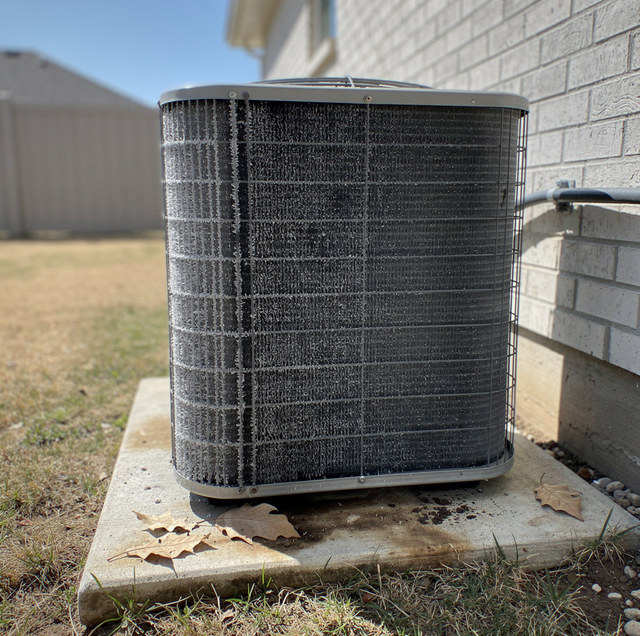
Quick Answer: No — an air conditioner icing over in summer is not normal and signals a problem. Ice on the unit, the refrigerant lines, or the indoor coil usually means something is keeping the coil too cold, most often restricted airflow (a dirty filter, blocked return, or dirty coil) or low refrigerant from a leak. Both cause the coil temperature to drop below freezing so condensation freezes into ice. Running the AC while it's iced up can damage the compressor, the most expensive component. The right response is to turn the AC off to let it thaw, check and replace a dirty filter, and have the cause diagnosed — ice in summer always points to an underlying issue.
It seems backward: your air conditioner, working hard in the summer heat, is covered in ice. Many homeowners assume that's just the unit being extra cold, but icing over in summer is actually a sign that something is wrong. Understanding why ice forms — and why it shouldn't be running like that — helps you protect your system and get it cooling properly again.
Ice in Summer Is a Warning, Not Normal
Let's be clear up front: an air conditioner is not supposed to ice over. During cooling, the indoor evaporator coil gets cold and condensation forms on it — that's normal. But the coil is designed to stay above freezing, so the condensation drains away as water rather than freezing. When you see actual ice on the coil, the refrigerant lines, or the outdoor unit, the coil has dropped below freezing, which means something is interfering with normal operation. So ice in summer is a symptom pointing to an underlying problem, not a sign the AC is working especially well.
How the Ice Forms
The mechanism is the same regardless of the specific cause: the coil gets too cold. Normally, warm air flowing across the cold coil keeps it from freezing while the moisture condenses and drains. When something disrupts that balance — either not enough warm air reaching the coil, or the refrigerant running colder than it should — the coil temperature falls below freezing. Then the condensation freezes into ice instead of draining, and the ice builds up, often spreading along the refrigerant lines to the outdoor unit. Ironically, a frozen coil then blocks airflow and refrigerant flow further, so the AC ices up more while cooling less. That's why an iced-up AC often blows warm or weak air even though it's covered in ice.
Cause One: Restricted Airflow
The most common cause is restricted airflow. The coil needs a steady flow of warm air across it to stay above freezing. When that airflow is choked off, the coil gets too cold and freezes. The usual culprits are a dirty air filter (the number-one cause), blocked or closed return and supply vents, or a dirty evaporator coil. A low blower speed or fan problem can do it too. Because a clogged filter is so common and so easy to fix, it's always the first thing to check when an AC ices over. Restoring airflow is often what prevents the freezing.
| Cause | Why the coil freezes |
|---|---|
| Dirty air filter | Chokes airflow; coil gets too cold |
| Blocked/closed vents | Restricts warm air across the coil |
| Dirty evaporator coil | Insulates coil, disrupts airflow |
| Low refrigerant (leak) | Coil runs colder than designed |
| Blower/fan problem | Not enough air moved across coil |
Cause Two: Low Refrigerant
The other main cause is low refrigerant, which means a leak (refrigerant isn't used up in normal operation). Low refrigerant reduces the pressure and temperature in the coil, causing it to run colder than designed and drop below freezing, which causes ice to form. Low refrigerant usually comes with other signs — weak cooling, the AC running constantly, and hissing or bubbling sounds. Because running low on refrigerant also stresses the compressor, this cause is important to address and isn't a simple "add more" fix — the leak needs to be found and repaired, then the system recharged.
Why You Shouldn't Keep Running It
It's tempting to keep the AC running and hope the ice goes away, but that's the wrong move. Running an iced-up AC can damage the compressor — the most expensive part of the system — and the ice keeps cooling from working anyway. Continuing to run it can also lead to water damage as large amounts of ice melt and overflow the drainage. The right response is to turn the AC off and let the ice fully thaw, which can take some time. Switching the fan to "on" (without cooling) can help speed thawing by moving air over the coil. Then address the cause before running it again.
Don't keep running your AC while it's iced over, and don't try to chip or scrape the ice off — both can damage the system, and running an iced unit can harm the compressor. Turn the cooling off, let it thaw completely, and replace a dirty filter. If it ices up again after that, have the cause diagnosed, since it likely points to low refrigerant or another issue.
What to Do
If your AC ices over, the steps are: turn off the cooling to let it thaw completely, check and replace a dirty air filter, and make sure vents aren't blocked. If a clean filter and clear airflow solve it, restricted airflow was the cause. If it ices up again, the cause is more likely low refrigerant, a dirty coil, or a blower or other issue that needs professional diagnosis — especially low refrigerant, which involves finding and repairing a leak. Because ice in summer always signals an underlying problem, and because running an iced unit risks the compressor, it's worth diagnosing and fixing the cause rather than letting it keep freezing. A technician can pinpoint why it's icing and resolve it.
Frequently Asked Questions
No. An air conditioner icing over in summer is not normal and signals a problem. The coil is designed to stay above freezing, so condensation drains away as water. When ice forms on the coil, lines, or outdoor unit, the coil has dropped below freezing, meaning something is interfering with normal operation — usually restricted airflow or low refrigerant. Ice is a symptom, not a sign of good cooling.
The coil gets too cold for one of two main reasons: restricted airflow (a dirty filter, blocked vents, or a dirty coil) that keeps warm air from reaching the coil, or low refrigerant from a leak that makes the coil run colder than designed. Both drop the coil below freezing, so condensation freezes into ice instead of draining. A dirty filter is the most common single cause.
Because the ice on the coil blocks airflow and refrigerant flow, so the system can't actually cool even though it's covered in ice. The frozen coil chokes the air moving through it and disrupts the cooling cycle, so the air coming out is warm or weak. It's a counterintuitive but classic sign of a frozen AC — iced up yet not cooling.
No. Running an iced-up AC can damage the compressor, the most expensive component, and it won't cool effectively anyway since the ice blocks its operation. It can also cause water damage as the ice melts. Turn off the cooling, let the ice fully thaw, replace a dirty filter, and address the cause before running it again. Don't chip or scrape the ice off.
Turn off the cooling and let the ice melt completely, which can take a few hours. Switching the fan to the "on" setting (without cooling) can help by moving air over the coil to speed thawing. Don't try to chip or scrape the ice off, as that can damage the coil. Once thawed, replace a dirty filter and check airflow before resuming cooling.
If the unit ices up again after you have replaced the filter and ensured clear airflow, it's time for a professional diagnosis. Recurring freezing often points to low refrigerant (a leak that needs to be found and repaired), a dirty coil, or a blower problem. Since ice always signals an underlying issue and running an iced unit risks the compressor, having the cause diagnosed and fixed protects your system.
Ice in Summer Means Something's Wrong
An outdoor AC unit icing over in summer is never normal — it means the coil is dropping below freezing, almost always from restricted airflow or low refrigerant. Running it while frozen risks the compressor and won't cool your home. Turn it off to thaw, replace a dirty filter, and check airflow; if it freezes again, have the cause diagnosed, since recurring ice usually points to low refrigerant or another issue that needs professional attention.
AC icing over in the summer heat? — Get the cause diagnosed and fixed before the ice damages your compressor. Fix My Air DFW serves Fort Worth and the DFW metro. TACLA33709C. Call (817) 439-9811.
