
Heat Pump Quit During a Hard Freeze? What Happened
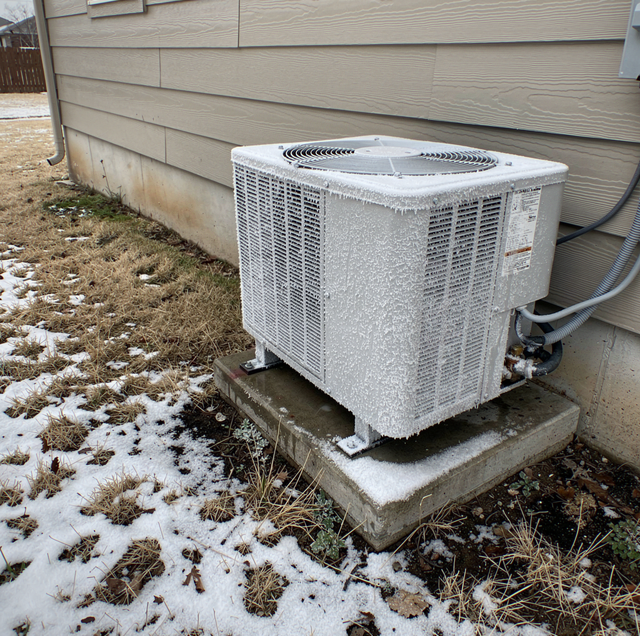
Quick Answer: A heat pump struggling or stopping during a hard freeze can have several causes. The outdoor unit ices up in cold, wet conditions and relies on a defrost cycle to melt it; if the defrost cycle fails or the unit ices over heavily, it can stop heating effectively. Extreme cold also reduces a heat pump's efficiency and may exceed what it can handle alone, which is why backup (auxiliary) heat is supposed to assist. Other causes include the outdoor unit being blocked by ice or snow, a refrigerant or component issue, or a frozen-up system. If your heat pump quit in a hard freeze, check that the outdoor unit isn't buried in ice, then have it diagnosed — hard freezes expose problems with defrost and backup heat.
A hard freeze is exactly when you need your heat pump most — and frustratingly, it's also when heat pumps are most likely to struggle or quit. If yours stopped heating during a deep cold snap, there are several possible reasons tied to how heat pumps work in extreme cold. Understanding them helps you know what to check and when to call for help.
How Heat Pumps Handle Cold
A heat pump heats your home by extracting heat from the outdoor air and moving it inside. This works well in moderate cold, but extreme cold makes it harder — there's less heat in the air to extract, so the heat pump becomes less efficient as temperatures drop. In a hard freeze, the heat pump may not be able to keep up on its own, which is why heat pump systems include backup (auxiliary) heat that kicks in automatically when it's very cold. So part of cold-weather heating depends on that backup working alongside the heat pump. When a heat pump "stops working" in a freeze, it may be the heat pump itself, the defrost cycle, or the backup heat not doing its part.
The Defrost Cycle and Icing
In cold, wet conditions, the outdoor unit of a heat pump naturally accumulates frost and ice as it operates — this is expected, and heat pumps have a defrost cycle that periodically melts that ice off so the unit keeps working. The problem comes when the defrost cycle isn't working properly, or the unit ices over more heavily than the defrost can handle. If ice builds up on the outdoor coil and isn't cleared, it blocks the unit's ability to extract heat, so the heat pump stops heating effectively. A heavily iced-over outdoor unit is a common reason a heat pump quits in a hard freeze. Some frost during operation is normal; a unit encased in ice is not.
| Cause | What's happening |
|---|---|
| Defrost cycle failure | Ice not cleared from outdoor coil |
| Heavy icing of outdoor unit | Ice blocks heat extraction |
| Extreme cold exceeds capacity | Heat pump can't keep up alone |
| Backup heat not engaging | Auxiliary heat fails to assist |
| Unit blocked by ice/snow | Airflow to outdoor unit obstructed |
| Refrigerant or component issue | System can't run properly |
Extreme Cold and Backup Heat
When a hard freeze pushes temperatures very low, the heat pump alone may not provide enough heat, and that's where backup heat is meant to help. If the auxiliary heat isn't engaging properly when it should, the home can feel cold even though the system is "running," because the heat pump is maxed out and the backup isn't filling the gap. So a heat pump that seems to stop keeping up in extreme cold may actually be a backup-heat problem. In a genuine heat pump failure, the emergency heat setting can run the home on backup heat temporarily — but if the backup isn't working either, that's a bigger issue. Hard freezes tend to expose whether the defrost and backup systems are functioning as they should.
Other Causes to Consider
A few other things can stop a heat pump in a freeze. When the outdoor unit is physically blocked by ice or snow, it can't get the airflow it needs, so keeping the unit clear matters. A refrigerant problem or a failed component can stop the system from running properly, and these may surface under the strain of extreme cold. And a system that's iced up internally or has tripped a safety control can shut down. The common thread is that a hard freeze stresses the whole system, so any weakness in the defrost, the backup heat, or the components tends to show up then.
First, safely check whether your outdoor unit is buried or encased in ice or snow. Some frost is normal, but a unit blocked by heavy ice or snow can't work — gently clearing snow away from it (never chipping at ice on the coil) can help. If it's heavily iced or quits again, that points to a defrost or system problem needing professional attention.
What to Do
If your heat pump stopped working in a hard freeze, start by checking that the outdoor unit isn't buried in snow or heavily encased in ice, and that nothing is blocking airflow to it — clearing snow can help, but don't chip at ice on the coil. If you need heat in the meantime and the heat pump has failed, the emergency heat setting can run the home on backup heat temporarily. Then have the system diagnosed, because a heat pump that quits in a freeze usually points to a defrost cycle problem, a backup heat issue, or a component failure that a technician needs to identify and repair. Hard freezes reveal these issues, so getting it properly checked ensures the heat pump and its backup are ready for the next cold snap.
Frequently Asked Questions
Several causes are possible: the outdoor unit iced over more than the defrost cycle could clear, the defrost cycle failed, extreme cold exceeded what the heat pump could handle alone while backup heat didn't properly assist, the unit was blocked by ice or snow, or a refrigerant or component issue surfaced under the cold strain. Hard freezes stress the whole system and expose weaknesses in defrost and backup heat.
Some frost on the outdoor unit during cold, wet operation is normal, and heat pumps have a defrost cycle that periodically melts it off. What's not normal is the unit becoming heavily encased in ice, which blocks its ability to extract heat. That usually means the defrost cycle isn't working properly or the icing exceeded what it could handle, and it can stop the heat pump from heating effectively.
In extreme cold, the heat pump becomes less efficient and may not keep up on its own, so backup (auxiliary) heat is supposed to assist. If the backup isn't engaging properly, the home stays cold even though the system is running, because the heat pump is maxed out and the backup isn't filling the gap. A heavily iced outdoor unit or defrost problem can also leave it running without heating.
If the heat pump has genuinely failed and you need heat, the emergency heat setting can run the home on backup heat temporarily until the heat pump is repaired. It's a stopgap, not a fix. If the backup heat isn't working either, that's a bigger problem. Either way, a heat pump that quits in a freeze should be diagnosed, since it points to an underlying issue.
Yes. If the outdoor unit is buried in snow or heavily encased in ice, the airflow it needs to extract heat is blocked, so it can't work properly. Some frost is normal, but heavy ice or snow is a problem. Gently clearing snow away from the unit can help, but you shouldn't chip at ice on the coil. Persistent heavy icing points to a defrost issue.
If the outdoor unit is heavily iced, the heat pump keeps quitting, or the home isn't heating even when the system is running, have it diagnosed. A heat pump that fails in a freeze usually indicates a defrost cycle problem, a backup heat issue, or a component or refrigerant failure that requires professional repair. Getting it checked ensures the heat pump and backup are ready for the next freeze.
Hard Freezes Expose the Weak Points
A heat pump that quits during a hard freeze is usually telling you something about its defrost cycle, its backup heat, or a component under cold strain. Some frost is normal, but a unit encased in ice, or a home that won't warm because backup heat isn't assisting, points to a real problem. Clear any snow blocking the outdoor unit, use emergency heat as a temporary bridge if needed, and have the system diagnosed so it's ready for the next freeze.
Heat pump quit during the freeze? — Get the defrost, backup heat, and system diagnosed so you're ready for the next cold snap. Fix My Air DFW serves Fort Worth and the DFW metro. TACLA33709C. Call (817) 439-9811.
