
Supporting Reliable Starts with Quality Furnace Capacitors
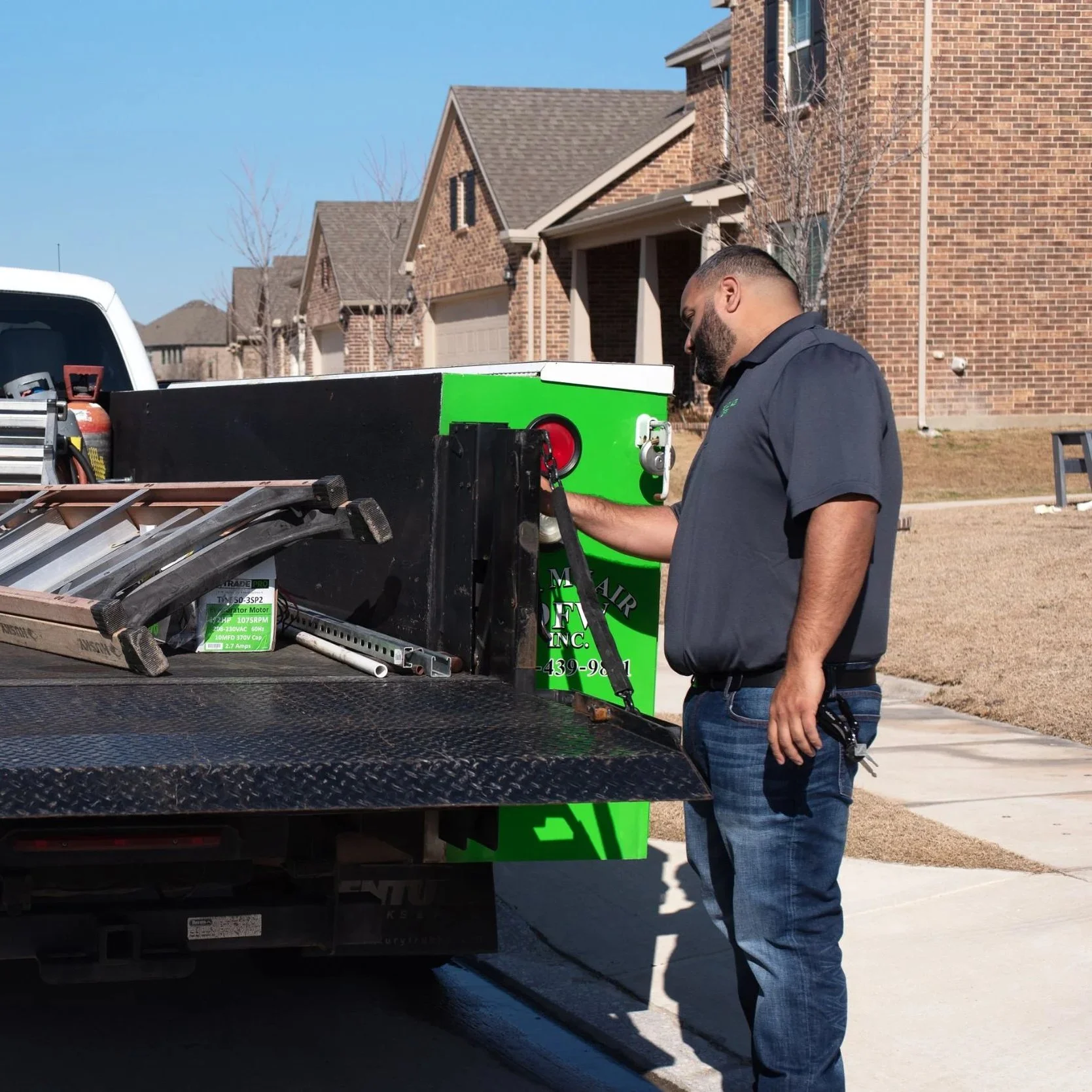
A furnace capacitor doesn't look like much, just a small cylinder tucked inside the cabinet, but it's the powerhouse behind smooth starts and steady performance.
A furnace capacitor doesn't look like much, just a small cylinder tucked inside the cabinet, but it's the powerhouse behind smooth starts and steady performance. That humble component works quietly with the blower motor and inducer motor, making sure everything kicks on with the energy it needs. Without a healthy capacitor, the system behaves like it needs a strong cup of coffee before doing anything productive.
Early signs of capacitor problems can feel more like minor annoyances than full-on breakdowns. The furnace may hum loudly during startup, take longer to blow warm air, or cycle more frequently than normal. All of these can be traced back to a capacitor that's slowly drifting out of its proper capacitance range.
Starting The Show With Stored Power
Capacitors store energy and discharge it in a short, intense burst to help motors overcome inertia and start turning. Without that jolt, the blower motor stutters, hesitates, or fails to start altogether. The same goes for the inducer motor. When either one drags its feet, ignition delays or fails, leading to short cycling or cold-air drafts.
In a properly functioning furnace, the capacitor provides just the right boost to start the motor and then backs off, allowing the motor's windings to take over. Start capacitors drop out of the circuit after their initial work is done, while run capacitors stay in place, providing continuous energy smoothing to support efficient motor operation.
Worn Or Weak Capacitors And Their Hidden Impact
Over time, capacitors lose capacitance, typically due to heat exposure and repeated cycling. What starts as a gradual loss often turns into hesitation during startup or humming without any fan movement. Some systems trip breakers because motors try to start without the power needed to overcome resistance.
A weakened capacitor may allow the blower to start but not maintain consistent speed, leading to uneven heating and drafty rooms. Or the inducer motor may run inconsistently, triggering pressure switch errors and failed ignition attempts. The system might behave as if haunted, turning on and off unpredictably, making odd noises, or failing to heat without throwing clear error codes.
An occasional furnace hiccup doesn't always point to a capacitor. Still, when the signs show up during motor startup or right after ignition, the capacitor jumps to the top of the suspect list.
Voltage Ratings And Microfarads Matter
Capacitors come with specific voltage ratings and capacitance values, measured in microfarads (µF). Choosing the correct replacement involves matching those numbers exactly. Installing a capacitor with too low a rating reduces starting torque, while one with a higher rating can overstress the motor windings.
Even minor deviations from the correct rating introduce long-term damage. Motors draw more current when paired with mismatched capacitors, leading to premature winding failure, tripped breakers, and reduced system life.
Some technicians measure capacitance during routine service to catch drift early. If readings fall by more than ten percent below the rating, it usually indicates the capacitor is no longer performing reliably.
Electrolytic Vs. Oil-Filled Capacitors
Most furnace capacitors are oil-filled and designed for longevity. These components handle frequent temperature changes and extended run times better than their electrolytic cousins. They're sealed to prevent leaks and can handle more abuse before showing signs of failure.
Older units may still use electrolytic types, which tend to dry out over time. That internal breakdown reduces capacitance and can cause the capacitor to swell, bulge, or even burst. If the top of a capacitor looks puffed up like a muffin top, it's time for a replacement.
Modern oil-filled designs last longer and fail more gracefully. Rather than exploding or leaking, they slowly drift out of spec, giving technicians time to diagnose and replace them before bigger issues arise.
Capacitor Location And Airflow Influence
Location inside the cabinet affects the lifespan of a furnace capacitor. Units positioned near heat exchangers or in poorly ventilated compartments tend to experience higher internal temperatures, leading to faster deterioration.
Dust buildup around the capacitor traps heat, shortening the life of the internal components. A well-ventilated cabinet combined with regular maintenance helps prevent premature failure. In some cases, repositioning components or improving cabinet airflow can make a noticeable difference in how long capacitors remain within range.
Even minor tweaks, like adjusting wire routing or cleaning accumulated dust, help the capacitor maintain safe operating temperatures.
Seasonal Use And Intermittent Problems
Furnaces often sit unused during warmer months, and capacitors can dry out during long periods of inactivity. When the heating season rolls around again, the first few startups put the component under stress. A capacitor that sat dormant for six months may suddenly fall short during the first cold snap.
That's when homeowners notice odd startup noises, slow fan movement, or a motor that hums but doesn't turn. Intermittent issues that disappear after the furnace runs for a while often signal a capacitor on its way out. Replacing it before it fails avoids mid-season outages and keeps heating steady when it matters most.
Capacitors in combination units (furnace and AC together) may pull double duty. Those systems cycle year-round and tend to wear out capacitors more quickly. Blower motors primarily rely on capacitors for both heating and cooling cycles.
Routine Testing For Reliable Starts
During annual maintenance, technicians test capacitors using a multimeter or capacitance meter. Measuring the actual µF output against rated values helps spot wear early. If the readings fall below acceptable limits, replacing the capacitor prevents bigger failures.
Some technicians also perform amp-draw checks on motors to identify excessive current draw. Motors that pull too much power often point back to weakened capacitors struggling to support startup torque.
Proactive replacement of older capacitors based on age and performance saves homeowners from sudden failures on cold mornings. Swapping out a ten-year-old component that's drifting low beats waiting for a dead blower to reveal itself during a freeze.
Noisy Starts And Long-Term Strain
Capacitors that fail slowly often cause the motor to make noise during startup. A low rumble, extended humming, or a choppy ramp-up all suggest the capacitor isn't providing a smooth initial burst. The motor may still run, but the added strain shortens its lifespan.
Over time, the system starts to show signs of inefficiency: longer runtimes, more frequent cycling, and uneven heating. Rooms farthest from the blower feel cooler, and air pressure from the vents weakens. Replacing the capacitor restores motor performance and improves the system's ability to deliver consistent airflow.
Quiet, smooth starts are the mark of a healthy capacitor and a happy furnace.
When To Upgrade And What To Look For
When replacing a capacitor, it's important to choose one rated for the exact specifications of the motor it supports. Some aftermarket options offer extended life ratings or higher temperature tolerance, which can be beneficial in systems exposed to extreme conditions.
Dielectric materials, internal construction quality, and brand reputation all matter. A higher-quality capacitor costs a little more upfront but delivers longer service and fewer mid-season surprises.
Technicians often carry universal replacements that can be configured to match specific µF and voltage ratings on the spot. While these are convenient for emergency repairs, long-term installations should use manufacturer-approved components when possible.
The Unsung Hero Of Smooth Starts
Without a working capacitor, a furnace struggles to perform even the most basic task: starting up. That tiny canister behind the access panel plays a pivotal role in circulating warm air throughout the house. When it weakens or fails, the entire system falters, often without warning.
Maintaining reliable starts means paying attention to signs like startup hums, slow air movement, or inconsistent heating cycles. With regular testing and timely replacements, the capacitor keeps its quiet job, faithfully supporting every ignition, fan cycle, and comfort boost the furnace delivers. And it does all that without ever asking for a standing ovation.
Fix My Air DFW is a leading HVAC contractor in Fort Worth, TX, providing condenser coil, evaporator coil, furnace gas valve, furnace heat exchanger, or furnace capacitor services. Count on our licensed and insured team to keep your home comfortable all year long. Customer satisfaction is our priority. Our technicians can work with HVAC systems of all leading brands. Schedule an appointment today!
