
Factors Influencing Successful Furnace Installation
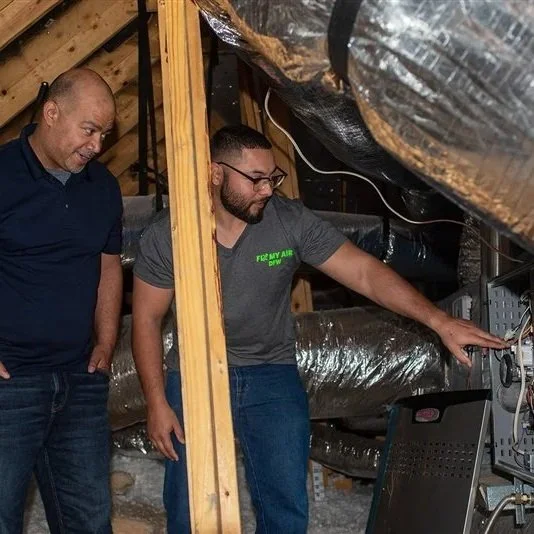
Precision installation translates to optimal performance, fewer callbacks, and happy homeowners.
Proper Sizing for Long-Term Comfort
A furnace that fits the space like a glove works far better than one that tries to overcompensate or loaf around. Size directly affects efficiency, comfort, and longevity. Too large, and the system short-cycles, wasting fuel and hammering its components with constant start-stop motions. Too small, and it struggles endlessly, barely keeping up on colder nights. A professional heat load calculation isn't just a nice touch; it's the keystone. Calculations consider square footage, insulation, window placement, ceiling height, and how air likes to move inside the home. When all those factors are weighed properly, the right-sized furnace lands confidently in the mechanical room.
Ductwork Condition and Design
Air can't do its job if the path it travels is choked, leaky, or built like a spaghetti junction. Old duct systems often suffer from gaps, crushed sections, and mismatched fittings. Even shiny new ducts won't perform well if they're undersized or routed like an afterthought. Furnace installation often reveals the true state of the ductwork, prompting timely upgrades. Good duct design maintains static pressure and allows balanced airflow from room to room. When airflow is smooth and unrestricted, comfort spreads evenly, and the furnace breathes easy.
Type and Efficiency of the Unit
Not all furnaces are created equal, especially when comparing single-stage units to two-stage or variable-speed models. A single-stage furnace operates at one speed: full blast. It's reliable, but it can feel like driving a car with only one gear. Two-stage models throttle back when demand is lower, offering quieter operation and more consistent heat. Variable-speed models are the gold standard for comfort, adjusting output incrementally based on indoor needs. Matching the right type of furnace to the homeowner's expectations and the space's demands requires a seasoned understanding of both equipment and lifestyle habits. High-efficiency models, while more expensive upfront, often make up for their price tag through lower fuel consumption and quieter, more sophisticated operation.
Fuel Source Availability
Natural gas, propane, oil, or electric: each comes with its quirks, costs, and regional availability. Natural gas remains the most popular choice in urban and suburban areas due to its affordability and convenience. Propane tends to serve rural homes, bringing flexibility at the cost of regular refills. Oil furnaces work well in colder climates but demand more maintenance. Electric furnaces lean into simplicity and reliability, though they can raise utility bills if electricity prices are high. Selecting the right furnace means evaluating local infrastructure, storage requirements, and long-term fuel costs.
Local Climate Conditions
Where a furnace lives determines how hard it works. Mild climates might never challenge a furnace, while snowy zip codes keep systems working overtime for months. The installation approach varies based on expected load. Colder areas benefit from two-stage or modulating systems that avoid temperature swings. In more temperate regions, a basic system may suffice without compromising comfort. The climate also dictates insulation needs and can influence whether supplemental systems, such as heat pumps, make financial sense.
Quality of Installation
A premium furnace doesn't stand a chance with a sloppy installation. Poorly installed units often experience early breakdowns, airflow restrictions, and uncalibrated controls. Details matter, like leveling the unit, properly securing gas lines, sealing vent pipes, and wiring the thermostat accurately. Experienced technicians follow every manufacturer's instructions like gospel and pay attention to the little things, such as combustion air clearance and condensate drainage. Precision installation translates to optimal performance, fewer callbacks, and happy homeowners.
Ventilation and Exhaust Setup
Every furnace has to breathe and exhale. High-efficiency models vent through PVC pipes, while standard-efficiency units use metal flues. Local codes dictate the safe routing of these exhaust lines. Improper slope, length, or obstruction can create dangerous backdrafts or carbon monoxide buildup. During installation, technicians assess existing vent paths and, if necessary, reroute or upgrade them. Balanced air intake and exhaust promote better combustion and fewer safety concerns.
Thermostat Compatibility and Control Options
The thermostat acts as the brain of the system. Some modern furnaces communicate best with specific smart thermostats or require multi-stage thermostats to unlock advanced features. A mismatch between the furnace's capability and the thermostat's sophistication limits performance. Wi-Fi thermostats offer remote control, learning capabilities, and automation that traditional dials can't match. Pairing a furnace with the right thermostat during installation creates a smoother, more responsive heating system.
Permits, Codes, and Safety Standards
Heating equipment installation walks hand in hand with local regulations and safety requirements. Permits confirm that the job meets city or county standards, while inspections catch anything that might've slipped through the cracks. Installers stay up to date on changing code requirements to avoid problems later. Skipping permits may speed things up in the short term, but it often leads to expensive rework or complications with future home sales.
Space and Accessibility
Mechanical rooms range from spacious and breezy to tight crawl spaces where even a flashlight feels cramped. The furnace's location affects how easily it can be installed, maintained, and serviced. Upgrading to a larger unit might require rerouting plumbing or electrical connections or adjusting the platform it rests on. Installers often need to navigate attic joists, basement ducts, or closet dimensions to fit the new system without damaging surrounding structures.
System Integration and Add-Ons
Furnaces don't operate in a vacuum. Whole-home humidifiers, air purifiers, zoning systems, and smart vents may already be part of the system, or they might be on the wish list. Integration during installation avoids retrofits down the line. For example, a zoning system needs dampers and control boards connected properly from the start, not as an afterthought. Furnace installation offers a chance to modernize and customize a home's entire indoor air experience.
Noise Levels and Location
Furnace placement and model selection both affect how much noise reaches the living space. Variable-speed blowers hum more than roar. Proper insulation around the furnace closet or mechanical area can muffle sounds. In homes with thin walls or ductwork near bedrooms, choosing a quieter unit or repositioning the system during installation might be worth the effort. Comfort means more than just temperature; it means peaceful, undisturbed evenings, too.
Budget and Long-Term Value
Furnace installations stretch across a wide price range. Balancing initial cost with long-term performance demands clear communication and experienced advice. Some homeowners lean toward basic systems that check the box and warm the space. Others seek premium comfort with ultra-efficient models that sip fuel and whisper warm air throughout the home. What matters is getting lasting value: reliable warmth without spiraling bills or surprise repairs.
Warranty Coverage and Maintenance Needs
A well-installed furnace usually comes with a manufacturer's warranty that covers parts, heat exchangers, and even labor. Following installation, homeowners should be aware of the maintenance required to keep the warranty intact. Changing filters, scheduling annual checkups, and keeping the area around the furnace clean help keep everything running like clockwork. Technicians often walk through these steps during the installation process, setting homeowners up with helpful reminders and a service plan if needed.
If you need a licensed HVAC contractor for heating & furnace installation, furnace repair and maintenance, heat pump installation, and heat pump repair in Fort Worth, TX, call Fix My Air DFW. With us you get professional solutions at affordable prices. Our over 15 years of professional HVAC experience allow us to complete every job efficiently, following the highest industry standards. Don’t get left in the cold – Schedule Now!
