
Why Your AC Runs Constantly but Never Cools the House
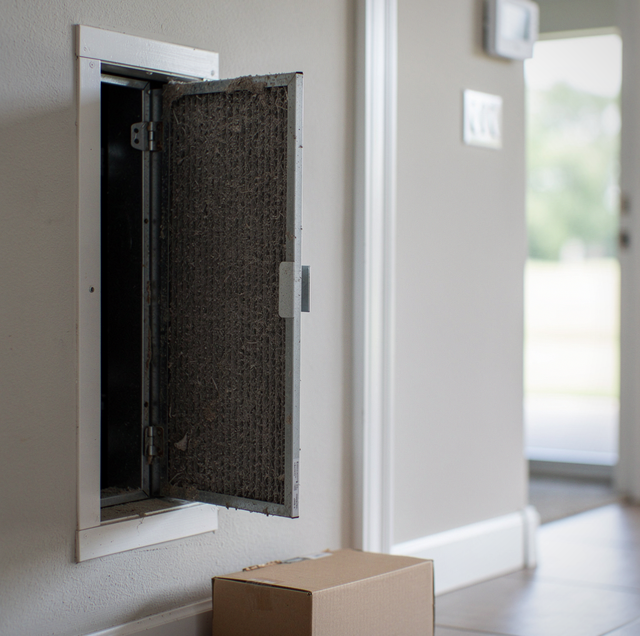
Quick Answer: An AC that runs all the time without cooling is losing a race — it can't remove heat as fast as the house is gaining it. The usual reasons are restricted airflow (dirty filter or coil), low refrigerant from a leak, a dirty outdoor condenser, leaky or undersized ductwork letting cool air escape, an undersized system, or poor insulation. On extreme-heat days even a healthy AC can run nonstop. Start with the filter, then have airflow, refrigerant, and ducts checked.
In a Fort Worth summer, an AC that runs constantly and still can't catch up is a special kind of frustrating — and an expensive one, since it's burning energy the whole time. The key thing to understand is that cooling is a race: your AC removes heat while the hot outdoors pushes heat back in. When the unit runs nonstop without winning, either it can't remove heat fast enough, or the house is gaining it too quickly. Here's how to figure out which.
Constant Running vs. Short Cycling
First, a quick distinction. A system that runs in very short bursts, turning on and off repeatedly, is "short cycling" — a different problem. What we're talking about here is the opposite: the system runs and runs, rarely or never shutting off, yet the house stays warm. That long-run-no-cool pattern points to a system that's working but can't keep up, which narrows the likely causes.
Why It Can't Keep Up
Restricted Airflow
The most common and easiest to check. A clogged air filter chokes the airflow the system needs to cool, so it runs constantly while moving too little air. A dirty indoor (evaporator) coil does the same. Restricted airflow can also freeze the coil, which kills cooling entirely. Replace a dirty filter first — it's the cheapest possible fix and a frequent cause.
Low Refrigerant From a Leak
If the refrigerant is low because of a leak, the system can't absorb enough heat, so it runs endlessly without cooling. Look for ice on the refrigerant lines, weak airflow that isn't cold, or a hissing sound. Refrigerant isn't consumed in normal operation, so low levels always mean a leak that a technician must find and repair before recharging.
A Dirty Outdoor Condenser
The outdoor unit releases your home's heat into the outside air. If its coil is caked with dust, grass clippings, or cottonwood, or it's crowded by plants, it can't dump the heat, so the system runs nonstop without cooling. Keeping the outdoor unit clean and clear gives it room to breathe.
Leaky or Undersized Ductwork
This one is sneaky. If the ducts leak — common in attics and crawlspaces — cooled air escapes before it reaches your rooms, and the system runs constantly to make up the loss. Undersized or poorly designed ducts choke airflow the same way. You can have a perfectly good AC that never keeps up simply because the air isn't getting where it needs to go.
An Undersized System or Poor Insulation
On extreme-heat days, a system that's undersized for the home, or one fighting poor insulation, leaky windows, and a hot attic, can run all day and still lose ground. If the AC keeps up most of the time but only falls behind on the very hottest afternoons, the issue may be that the house is gaining heat faster than the unit can remove it.
| What you notice | Likely cause | What to do |
|---|---|---|
| Weak airflow, warm air | Clogged filter or dirty coil | Replace filter; have coil cleaned |
| Ice on lines, hissing | Low refrigerant (leak) | Turn off; call a technician |
| Outdoor unit dirty/crowded | Blocked condenser | Clear and clean it |
| Some rooms never cool | Leaky or undersized ducts | Have ductwork inspected |
| Only loses ground on hottest days | Undersized AC, insulation, windows | System and home evaluation |
What to Check, and When to Call
Start with the safe, simple steps: replace the air filter, open and unblock all the vents, and clear any debris or plants crowding the outdoor unit. If the coil has frozen, shutting the system off to thaw it can restore airflow, but the underlying cause still needs fixing. Beyond that — low refrigerant, a coil that needs professional cleaning, leaky ducts, or a sizing problem — it's a technician's job, both for the tools and certification required and because running a struggling system in extreme heat can push it toward a full breakdown. If the basics don't help, get it checked before the heat wins. In a climate where the AC is essential for months on end, a system already running flat out has no reserve left for the next heat spike, so addressing the cause early also helps keep it from quitting at the worst possible moment.
Frequently Asked Questions
Because it can't remove heat as fast as the house gains it. Common reasons include restricted airflow from a dirty filter or coil, low refrigerant due to a leak, a dirty outdoor condenser, leaky or undersized ductwork that lets cool air escape, or an undersized system fighting poor insulation. On the hottest days, even a healthy AC can run nonstop. Start with the filter, then have airflow and refrigerant checked.
Running constantly without cooling means the system is working hard, using a lot of energy, and likely has a fixable problem — and running a struggling unit in extreme heat can lead to a breakdown. On a very hot day, longer run times are normal, but a system that never shuts off and never reaches the set temperature is signaling something's wrong and is worth diagnosing before it fails.
Yes, and it's an overlooked cause. Ducts that leak — especially in hot attics or crawlspaces — let cooled air escape before it reaches your rooms, so the system runs constantly trying to make up the loss. Undersized ducts choke airflow the same way. A good AC can fail to keep up purely because of duct problems, which is why having the ductwork inspected is worthwhile.
If your AC keeps up most of the time but loses ground only on extreme-heat afternoons, the house may be gaining heat faster than the unit can remove it — from an undersized system, poor insulation, leaky windows, or a hot attic. A healthy AC can still fall behind under those conditions. An evaluation of the system size, ducts, and home envelope can find the weak link.
No. Low refrigerant means there's a leak, and simply adding more without finding and fixing the leak just delays the problem and wastes refrigerant. Handling refrigerant also requires certification and tools. If you see ice on the lines or the air isn't cold despite the system running, that indicates a refrigerant issue that a technician needs to diagnose and properly repair.
It's Losing the Heat Race — Find Out Where
An AC that runs nonstop without cooling can't remove heat fast enough, or the house is gaining heat too quickly. Check the filter, the vents, and the outdoor unit first, because those simple fixes solve many cases. If the air still won't get cold, or only the hottest days defeat it, the cause is likely refrigerant, ducts, or sizing — and those need a technician. Catch it early, before a straining system gives out in the Texas heat.
AC running all day but never cooling? — Get airflow, refrigerant, and ducts checked so it can finally keep up. Fix My Air DFW serves Fort Worth and the DFW metro. TACLA33709C. Call (817) 439-9811.
