
Enhancing System Reliability with Advanced Circuit Control Boards
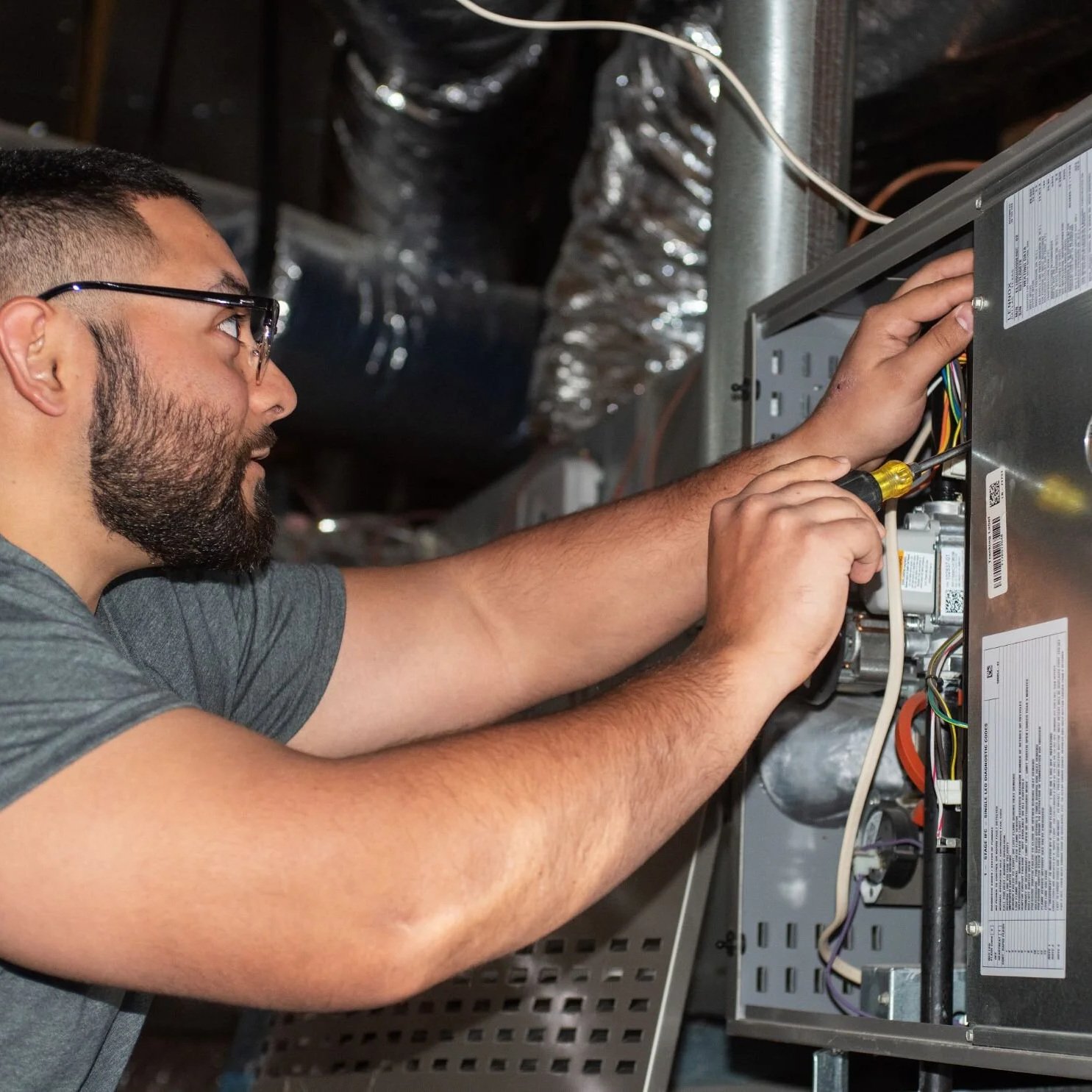
From energy bills to daily comfort, the quality of a heating system’s installation sets the tone for every winter to follow.
Proper heating installation doesn't just warm the house; it shapes the entire indoor experience. From energy bills to daily comfort, the quality of a heating system’s installation sets the tone for every winter to follow. It’s not just about plugging in a unit and flipping a switch. It’s a thoughtful process that involves planning, precision, and a healthy respect for airflow, load calculations, and the unique quirks of each home.
System Size Shapes Performance
Size matters in the world of heating systems. Bigger doesn’t always mean better, and smaller doesn’t mean thriftier. Oversized units may blast out short, inefficient bursts of heat, leaving behind high energy costs and wide temperature swings. Undersized ones work overtime just to keep the living room from turning into an icebox.
Professional installers size systems based on the home's actual layout, not guesswork. They evaluate insulation levels, window exposure, ceiling height, and even room usage patterns. That sort of attention helps a system hit its stride without overspending energy or struggling to meet demand.
Duct Design Needs a Thoughtful Touch
Ductwork acts as the unseen highway system for warm air, and a professional heating installation respects every bend, joint, and grille. Poor duct design leads to bottlenecks, noisy airflow, and uneven heating, sparking thermostat feuds in multi-story homes.
Proper duct sizing and sealing play a central role in maintaining comfort. Even the best furnace can’t do its job if the ducts leak air into an attic or lose pressure before reaching the back bedroom. Professionals use modern tools to calculate airflow and pressure loss, then install ducts that work with the system, not against it.
Zoning Systems Offer Tailored Comfort
Not every room in the house wants the same amount of heat. Kitchens with ovens running full blast don’t need as much warmth as a chilly corner office or drafty guest room. Zoning systems divide a home into areas with their own thermostats and control dampers. They allow heat to go where it’s needed most, without overheating the whole house.
Installing zoning as part of a professional heating installation brings long-term comfort and control. It’s especially useful in multi-level homes or spaces with inconsistent exposure to sunlight. Each zone can follow its own rhythm, reducing waste and soothing hot-and-cold disputes.
Venting and Combustion Safety Must Be Spot-On
Combustion-based heating systems come with serious safety responsibilities. Flue gases need an escape route, and air for combustion must come from the right place. Improper venting allows dangerous gases like carbon monoxide to sneak inside or creates negative pressure that draws cold air into the house.
Professionals don’t cut corners here. They follow code, test draft conditions, and confirm every component works safely under load. Sealed combustion systems, when available, add an extra layer of efficiency and safety by drawing air from outside rather than from the interior.
Thermostat Placement Influences Performance
A smart thermostat can only do so much if it's stuck in a drafty hallway or placed under a sun-drenched window. Temperature readings skew, cycles misfire, and energy costs climb. Good thermostat placement provides an accurate representation of the home’s temperature and maintains consistent heating.
Installers choose locations that reflect average indoor conditions. They avoid areas near vents, doors, windows, or other heat-emitting devices. When thermostats live in balanced zones, the entire system responds more smoothly to actual household needs.
Fuel Sources Affect Design
Not all homes run on the same fuel. Some use natural gas, others propane, and some rely on electricity or hybrid systems. The fuel source affects venting, efficiency ratings, installation location, and even control mechanisms. It also has long-term cost implications based on local rates and availability.
Professional heating installation includes matching the system to the available fuel source and making design choices that fit with the home’s infrastructure. Whether it's integrating a gas line, wiring an electric furnace, or configuring a dual-fuel system, the installer adapts every element to fit the environment.
Insulation and Envelope Matter More Than Advertised
A tightly sealed home holds heat better, but a heating system still needs to compensate for any weak spots. Professionals evaluate insulation and weatherproofing before installation to better understand heat loss and adjust system sizing accordingly.
Poor insulation demands more from the furnace. Cold drafts undo hours of effort and quietly run up energy bills. Heating installation done right accounts for those gaps or even includes recommendations for sealing and insulating before installation begins. The result is smoother operation, longer system life, and better day-to-day comfort.
Noise Levels Depend on Equipment Placement
Furnaces aren’t silent, but they shouldn’t sound like a rocket launch. Equipment location and duct design both influence how much noise filters into daily life. Basements, garages, attics, or closets all come with trade-offs in terms of noise, access, and efficiency.
Professional installers choose locations with purpose, adding sound insulation where needed and placing equipment far enough from living spaces to keep noise at a minimum. Even high-performance systems lose their appeal if they constantly interrupt sleep or conversations with clunks and whines.
Permits and Code Compliance Are No Joke
Heating systems live at the intersection of comfort and safety. Every city, county, and state lays down clear rules about how systems should be installed. Codes govern everything from gas line routing to clearances around heat exchangers. Skipping permits might save time on paper, but it creates big headaches later.
Professionals know the codes inside and out. They pull the necessary permits, work with inspectors, and deliver peace of mind knowing the system meets every legal requirement. That attention also helps avoid future problems when selling the house or upgrading components.
Warranties Depend on Proper Installation
Manufacturers build heating systems to high standards, but they expect them to be installed by trained hands. Warranties often require documented, professional installation. Otherwise, one faulty connection or skipped step can void years of coverage.
A professional job comes with paperwork and accountability. If something fails, there’s a clear path for service, replacement, or support. That security means more than just dollars saved; it adds peace to every snowy night.
Controls Should Match the System
Not all thermostats work with all systems. Some modern heating systems use modulating burners or variable-speed blowers that need smarter controls than a basic on-off dial. Professionals pair controls with equipment to make the most of advanced features.
The right thermostat unlocks zoning, adaptive cycles, and detailed energy reports. Professional installation means no missed features and no clumsy mismatches between system potential and control options.
Startup Testing Confirms Everything Works Together
Once the installation wraps up, the real test begins. Systems must go through a startup process that confirms gas pressure, blower speed, vent draft, thermostat communication, and flame sensor operation. Without a complete test, unseen errors can hide in plain sight.
Professional installers walk through a complete checklist before declaring the system ready. That final test locks in reliability and helps catch any tweaks needed before the season starts in earnest.
Ongoing Maintenance Starts With a Strong Foundation
A heating system’s first day of operation shapes its entire life. Proper installation leads to fewer breakdowns, better airflow, and stable operation for years. Maintenance tasks become simpler, service calls become less frequent, and energy bills stay predictable.
Professional heating installation lays the foundation for every warm morning, every quiet evening, and every mid-winter storm spent in cozy comfort. There’s a difference between heat that’s just warm enough and heat that wraps around the home like a wool blanket. That difference begins with the way the system is installed.
Get on-time and reliable AC installation, AC fan motor, AC repair and maintenance, AC refrigerator leak repair, AC circuit control board, and AC condenser repair or replacement with Fix My Air DFW. Our team has 15 years of expertise, serving in Fort Worth, TX, which helps them resolve any air conditioner issue Fort Worth, TX, homeowners encounter. Don’t sweat It – Call for prompt cooling repairs today!
