
Common Signs of AC Fan Motor Malfunction
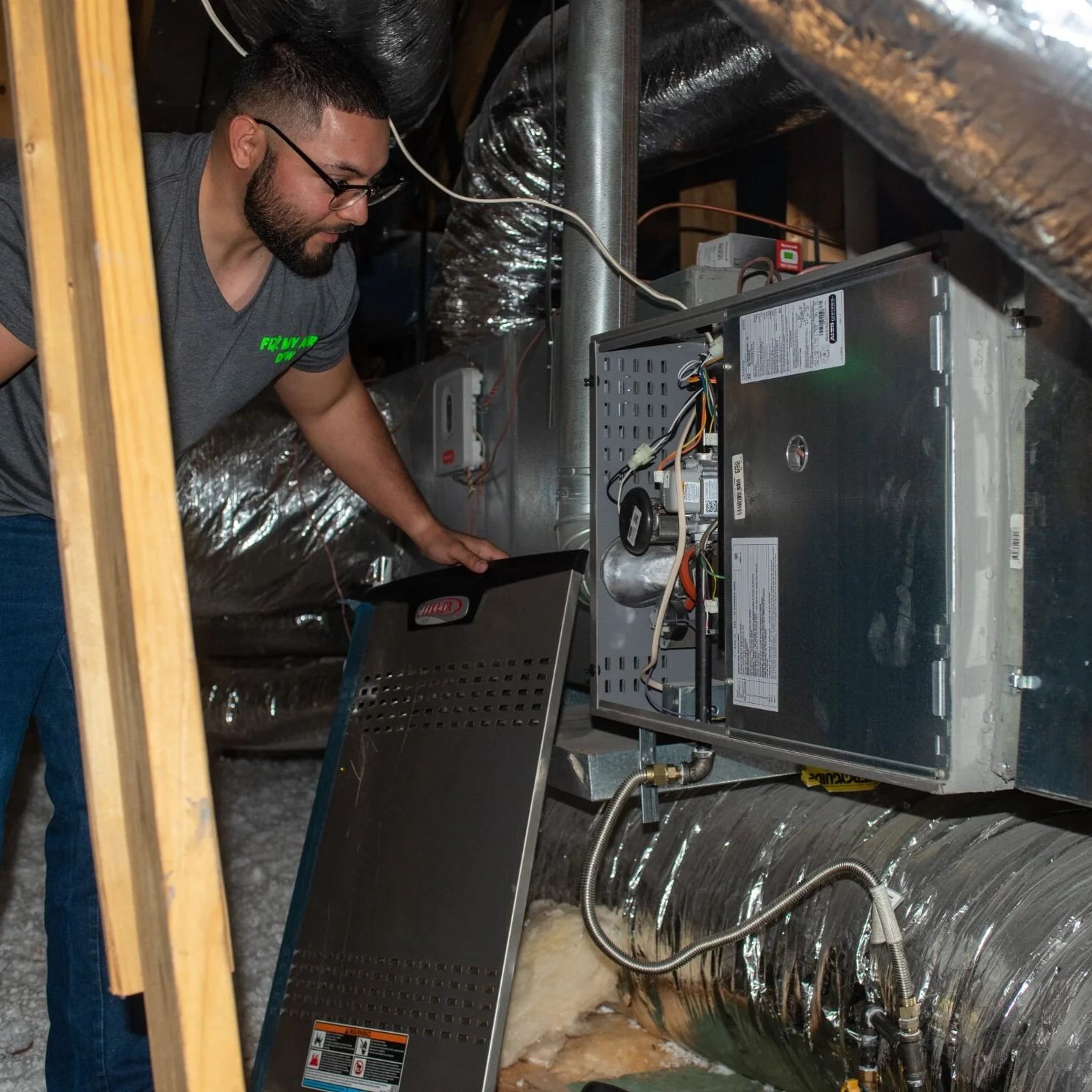
A slipping fan motor won't always announce its retirement with dramatic flair.
Air conditioners depend on a network of hardworking parts, and the fan motor is among the busiest. It spins, circulates, and keeps air moving across the coils like a champ, until something throws it off. A slipping fan motor won't always announce its retirement with dramatic flair. Often, the signs start subtly, giving sharp-eyed homeowners a chance to act before things fall apart.
Weak Or No Airflow
A functioning fan motor keeps air pumping through vents with reliable force. When airflow drops off or disappears entirely, the fan motor often sits at the center of the problem. It may slow down, spin erratically, or stop working altogether. The air handler hums in the background while no cool breeze reaches the room.
Low airflow doesn't just compromise comfort; it also compromises safety. It strains the entire cooling system. Compressors run longer. Temperatures refuse to drop. And everyone ends up slightly annoyed, and slightly sweaty, without knowing why.
Rattling, Buzzing, Or Screeching Noises
Machines tend to speak up when they're uncomfortable, and the fan motor has its own vocabulary of distress. A loud buzzing could mean an electrical issue. Rattling may signal loose parts or an imbalance in the blades. Screeching suggests bearings on their last legs.
Sound changes shouldn't be ignored. They're often early alerts before full failure. Left untreated, a minor screech can evolve into a motor that seizes up completely, leaving the AC unit gasping on a hot afternoon with no backup in sight.
Blades Spinning Slowly Or Not At All
Fan blades should spin freely and with purpose. When they slow down or refuse to move, it often means the motor is struggling to deliver power or torque. Sometimes the motor itself is the issue. Other times, a capacitor or wiring fault prevents full operation.
A stationary fan creates a ripple effect through the system. No airflow means no heat transfer. Without heat transfer, the AC coil freezes. Once that happens, cooling shuts down until everything is thawed and cleaned, a long, sticky process in the middle of summer.
System Overheating
Overworked or misaligned fan motors generate more heat than they should. If internal cooling fails, the motor burns hot and risks damaging nearby components. Overheating leads to sudden shutdowns, scorched wires, and safety switches that trip without warning.
A hot motor isn't always obvious from the outside. Sometimes the first sign is a unit that keeps shutting off mid-cycle or refuses to start back up after cooling. Those symptoms point straight to internal heat levels out of control.
Inconsistent Cooling Performance
Rooms that used to feel crisp start warming up. Thermostat readings drift from reality. One hour, the AC seems fine, and the next, nothing but lukewarm air trickles from the vents. Fan motors that run inconsistently deliver air unevenly, throwing off the system's overall balance.
The compressor may still do its job, but without a reliable fan motor, the cooled air stays trapped or moves too slowly. The system begins cycling inefficiently. Indoor comfort becomes a moving target.
Frequent On-And-Off Cycling
Short cycling often stems from airflow issues. When the fan motor fails to distribute air properly, the system may cool one part of the coil too fast or allow refrigerant pressures to spike. In response, the AC unit shuts off to protect itself, then starts up again shortly after.
Frequent cycling chews through electricity, wears down parts faster, and rarely results in stable temperatures. A weak or failing fan motor adds unnecessary chaos to what should be a smooth process.
Unusual Electrical Odors
Burning smells drifting from vents are rarely good news. When the fan motor struggles to operate, its internal windings, wires, or capacitors may overheat. That heat can produce odors resembling burning plastic or rubber.
Odors like that indicate trouble behind the panel. Components may be melting or slowly burning out. Prompt service can stop a motor from fully failing, and potentially taking nearby parts down with it.
Higher Than Usual Energy Bills
Cooling costs that climb without explanation often reflect a system working harder than it should. A failing fan motor forces compressors to run longer. Cooling cycles extend beyond normal duration. Even if indoor temperatures hold steady, the process becomes inefficient.
That hidden struggle translates to higher power usage. It sneaks up gradually but adds up quickly. A well-tuned fan motor, in contrast, maintains airflow without dragging down the rest of the system.
Vibration Throughout The System
Motors out of alignment, suffering from worn bearings, or mounted loosely can vibrate during operation. That vibration may transfer through ducts, frames, or surrounding parts, creating a system that rattles the entire house. In extreme cases, uncorrected vibration causes damage over time. Screws loosen, panels warp, and connections weaken. What starts as a harmless wobble may end in physical failure.
Capacitor Problems
Fan motors often rely on capacitors to start or run smoothly. A failing capacitor can mimic a failing motor, confusing early troubleshooting. Symptoms include fans that won't start, blades that turn slowly, or motors that buzz without doing anything useful.
Even a brand-new motor won't work properly without a healthy capacitor. It's not uncommon for both to need attention simultaneously, especially in systems that haven't seen recent maintenance.
Motor Running But No Air Movement
Sometimes the fan motor spins, but nothing happens. That might mean the blades have come loose, the motor is turning in the wrong direction, or the fan assembly has separated from its shaft. Internally, the motor hums along, while externally the system appears broken.
Airflow problems like this can puzzle homeowners. The thermostat clicks on, and the system sounds like it's trying to cool, but the air refuses to move. In most cases, the fan motor, or something attached to it, holds the answer.
Visible Wear On Motor Components
Technicians often spot warning signs during a routine inspection. Rust, scorch marks, or worn bearings signal that a fan motor has reached retirement age. Debris buildup or grime along motor vents restricts cooling and leads to overheating over time.
Even if performance still feels passable, motors with visible wear live on borrowed time. Proactive replacement prevents an inconvenient breakdown later, when summer refuses to let up.
Fan Blades Spinning After Shutdown
When fan blades continue spinning after the unit shuts off, it may look harmless. But it could mean the motor's windings or the capacitor are malfunctioning, creating a lag in shutdown behavior. That trailing spin suggests that electrical components aren't disconnecting as they should. A system that doesn't power down cleanly often wears itself out faster. Fan motors should follow commands, not freewheel on their own schedule.
Moisture Or Water Damage Around Motor Housing
Condensation is common around AC units, but water pooling near the fan motor hints at a drainage or leak issue. Fan motors aren't waterproof. Exposure to moisture invites corrosion, electrical shorts, and internal failure.
When puddles or rust gather near motor components, immediate service is a smart move. Water and electricity rarely make good roommates.
Delayed Startup
An AC system that hesitates during startup, clicking once, waiting, then reluctantly coming to life, may suffer from a lagging fan motor. If the motor takes too long to spin up or requires extra voltage to start, the system can't operate smoothly.
That delay disrupts cooling cycles, strains electrical components, and eventually leads to more severe failure. A strong motor starts without drama. Anything less raises eyebrows and service calls.
Fan motors rarely quit outright without warning. They mumble, stumble, and slow down first. Those small signs, when recognized early, give homeowners a chance to act before comfort fades completely. Addressing fan motor issues promptly keeps the air flowing, the bills manageable, and the summer heat exactly where it belongs: outside.
Fix My Air DFW of Fort Worth specializes in residential and commercial HVAC services, including routine maintenance, installation, and repair. All makes/models.
Get on-time and reliable AC installation, AC fan motor, AC repair and maintenance, AC refrigerator leak repair, AC circuit control board, and AC condenser repair or replacement with Fix My Air DFW. Our team has 15 years of expertise, serving in Fort Worth, TX, which helps them resolve any air conditioner issue Fort Worth, TX, homeowners encounter. Don’t sweat It – Call for prompt cooling repairs today!
