
Protecting Investments with Routine Commercial HVAC Maintenance
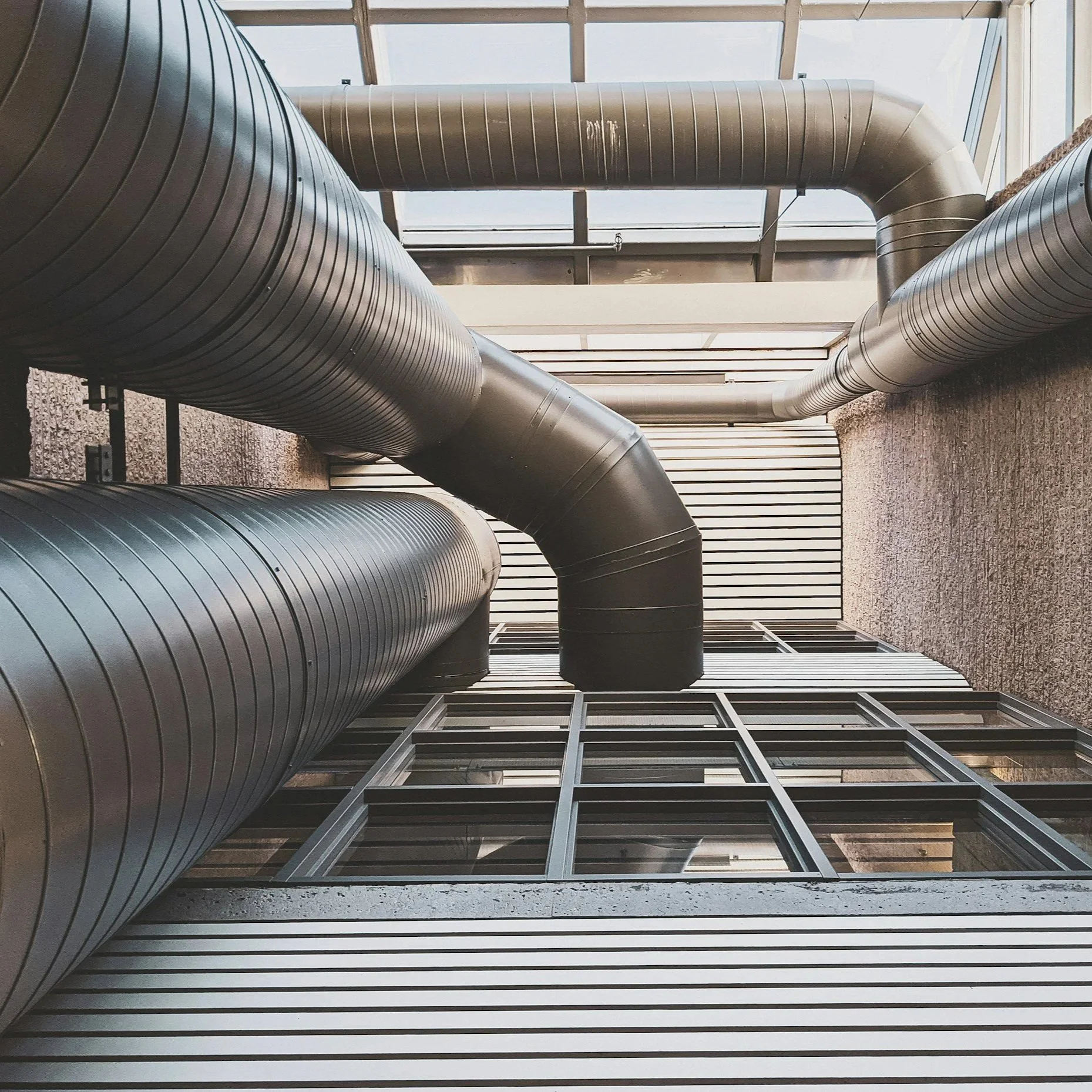
Without regular care, even the most reliable systems lose steam, rack up energy waste, and surprise building owners with inconvenient repair bills. Fortunately, smart commercial HVAC maintenance makes all the difference.
Commercial HVAC systems do not take breaks. From bitter winter winds to triple-digit summer scorchers, they work behind the scenes, quietly and continuously. But just like any hard-working piece of equipment, they need a little attention to keep going strong. Without regular care, even the most reliable systems lose steam, rack up energy waste, and surprise building owners with inconvenient repair bills. Fortunately, smart commercial HVAC maintenance makes all the difference.
Extending Equipment Lifespan
When mechanical systems run day in and day out, wear is inevitable. Components age. Filters clog. Motors grind. Over time, minor inefficiencies become major problems. Regular maintenance interrupts that cycle. By lubricating parts, tightening connections, and cleaning internal components, technicians help HVAC equipment work smarter rather than harder.
Routine upkeep gives compressors, blowers, and heat exchangers a fighting chance at a longer life. Instead of pushing equipment to its breaking point, maintenance resets performance levels and lightens the load on critical parts. Business owners avoid the surprise of premature system failure and enjoy the savings that come with fewer replacements.
Improving Energy Efficiency
A well-maintained HVAC system burns through less power. Dirty coils, slipping belts, and worn-out sensors all contribute to energy waste. When parts drag or cycle improperly, systems run longer than necessary, inflating energy bills month after month.
During maintenance visits, technicians fine-tune operation settings, clear away dust and debris, and spot problems that quietly drain energy behind the scenes. Over time, these small tweaks produce noticeable results. Cooling and heating cycles run cleaner and faster, airflow becomes more consistent, and utility costs dip without sacrificing comfort.
Reducing Emergency Repairs
Unexpected repairs throw a wrench in even the best-laid business plans. A failed blower motor in July or a locked-up heat pump in December can shut down entire zones, leaving tenants, employees, or customers scrambling. Beyond the immediate inconvenience, emergency repairs are often more expensive and disruptive than routine service.
Scheduled maintenance catches problems before they spiral. Technicians identify unusual noises, weak airflow, or sensor irregularities early, when repairs are simple and affordable. By preventing emergencies, businesses maintain control over HVAC expenses and avoid sudden surprises that can shake a facility manager’s confidence.
Maintaining Indoor Air Quality
Clean air matters. Office buildings, hospitals, retail shops, and industrial centers all rely on proper ventilation and air filtration to protect occupant health. When filters clog or ducts fill with dust and debris, indoor air suffers. Pollen, mold spores, bacteria, and chemical pollutants build up inside, leading to fatigue, respiratory irritation, or worse.
Routine HVAC maintenance includes filter replacements, coil cleanings, and duct inspections, all of which support healthier air. Clean systems circulate more effectively, reduce airborne irritants, and make life more comfortable for everyone inside the building.
Sustaining Comfort Consistency
One of the biggest advantages of consistent HVAC service is the predictability it brings. Balanced airflow, stable temperatures, and responsive controls all depend on a system that works in harmony. In commercial environments where productivity, customer satisfaction, or regulatory compliance matters, comfort isn't optional; it's expected.
Well-maintained systems respond quickly to thermostat changes and maintain temperature uniformity across all rooms and floors. Employees stop arguing over who controls the thermostat. Guests stop fanning themselves or asking for blankets. Instead of dealing with daily climate battles, occupants focus on the job at hand.
Supporting Regulatory Compliance
Many commercial facilities operate under tight air quality and efficiency standards. Restaurants must maintain proper ventilation. Healthcare centers need temperature and humidity control to support patient safety. Data centers demand precise cooling levels to protect servers. In every case, poorly maintained HVAC systems create liability and compliance headaches.
Routine maintenance supports documentation, performance verification, and environmental goals. Technicians track system metrics, inspect critical points, and maintain service logs that can satisfy audits or support warranty claims. Compliance doesn’t have to be complicated when equipment is treated like the serious investment it is.
Avoiding Costly Downtime
Few things derail business faster than HVAC system failure. Productivity drops. Complaints rise. In some industries, downtime translates directly into revenue loss. A hotel with hot rooms. A supermarket with warm freezers. A school with freezing classrooms. All lose time, money, and trust when HVAC systems stop cooperating.
Proactive maintenance prevents those breakdowns. With regular checkups and component reviews, problems stay small and downtime stays rare. Instead of chasing repairs during peak seasons, business owners enjoy uninterrupted operations and fewer sleepless nights.
Preserving Warranty Coverage
Manufacturers like proof. Most HVAC equipment comes with warranties that promise repair or replacement under certain conditions, but those conditions nearly always include regular service. Without documented maintenance, warranty claims can be denied outright.
Professional HVAC maintenance keeps systems in compliance with warranty terms. Service logs, inspection reports, and replacement histories show that the equipment received the attention it needed. When a covered failure does happen, that paper trail supports fast resolution and protects long-term investment value.
Maximizing Automation Systems
Many commercial buildings now rely on automation systems to coordinate HVAC performance. These platforms monitor usage patterns, adjust for occupancy levels, and tweak temperature settings to conserve energy. But they can’t function properly without regular HVAC service.
Technicians verify that system data matches actual performance. Sensors, dampers, actuators, and control boards are tested, cleaned, and calibrated. Small automation glitches disappear before they evolve into major inconsistencies. In the end, building automation works better when the HVAC equipment it manages stays in top shape.
Boosting Return On Investment
HVAC systems are one of the most expensive components in a commercial building. Installation alone runs into the tens or hundreds of thousands. With that kind of financial outlay, maximizing ROI becomes essential. Maintenance extends the return over a longer lifespan, with fewer repairs and lower energy consumption.
Each well-timed tune-up brings HVAC systems closer to their intended design specs. That translates into measurable cost control, improved comfort, and reduced environmental impact, all without needing to spend a fortune on new hardware.
Adapting to Seasonal Shifts
Seasonal transitions put commercial HVAC systems to the test. Spring and fall often trigger the need for both heating and cooling, sometimes on the same day. Without proper preparation, systems lag or respond inefficiently to changing demands.
Routine maintenance before seasonal changes resets thermostats, checks refrigerant levels, and confirms that dual-function components are ready for shifting workloads. Instead of stumbling into summer or limping into winter, systems adjust smoothly and stay ahead of demand curves.
Catching Hidden Wear Patterns
Not all damage announces itself loudly. Bearings wear down quietly. Belts slip subtly. Drain lines clog slowly. By the time visible signs appear, hidden issues may already have caused secondary damage.
Trained eyes spot these patterns before they cause disruption. Technicians know what signs to look for: minor vibrations, low airflow in odd spots, or buildup around vents. These clues guide maintenance teams toward precision repairs that restore performance without major downtime.
Supporting Long-Term Planning
Knowing the condition of HVAC systems makes capital planning easier. Scheduled maintenance provides data on system age, wear levels, energy usage, and repair frequency. Armed with this knowledge, facility managers build realistic budgets, predict replacement timelines, and make smarter investments.
Surprises become rare, and planning becomes proactive. Decisions about equipment upgrades, retrofits, or expansions happen with confidence instead of last-minute stress. Maintenance becomes a strategic tool, not just a seasonal task.
Keeping Tenants And Customers Satisfied
Comfort sells. For retail centers, apartment complexes, office buildings, and hospitality venues, nothing drives satisfaction more than a stable, pleasant environment. Drafty lobbies, humid conference rooms, or muggy dining areas don’t create loyal customers or happy tenants.
Routine HVAC maintenance supports strong relationships. It keeps climate control consistent, air quality high, and customer complaints minimal. That kind of reliability becomes part of the brand's reputation, quietly but powerfully influencing occupancy rates and repeat business.
Commercial HVAC systems do more than push air; they anchor daily operations and protect massive investments. With a regular maintenance plan, businesses stay comfortable, productive, and cost-effective, even when the outside weather decides to throw a tantrum. Professionals who take the time to support these systems reap the benefits for years to come, all while avoiding the most frustrating and expensive surprises.
Fix My Air DFW offers commercial HVAC repair, commercial HVAC installation, commercial heating repair, and commercial HVAC maintenance to business owners in Fort Worth, TX. Our fully licensed and insured technicians deliver high-quality HVAC solutions that last longer. 24-hour emergency services available. Call Now for Immediate HVAC assistance.
