
Fast Solutions for After-Hours AC Emergencies
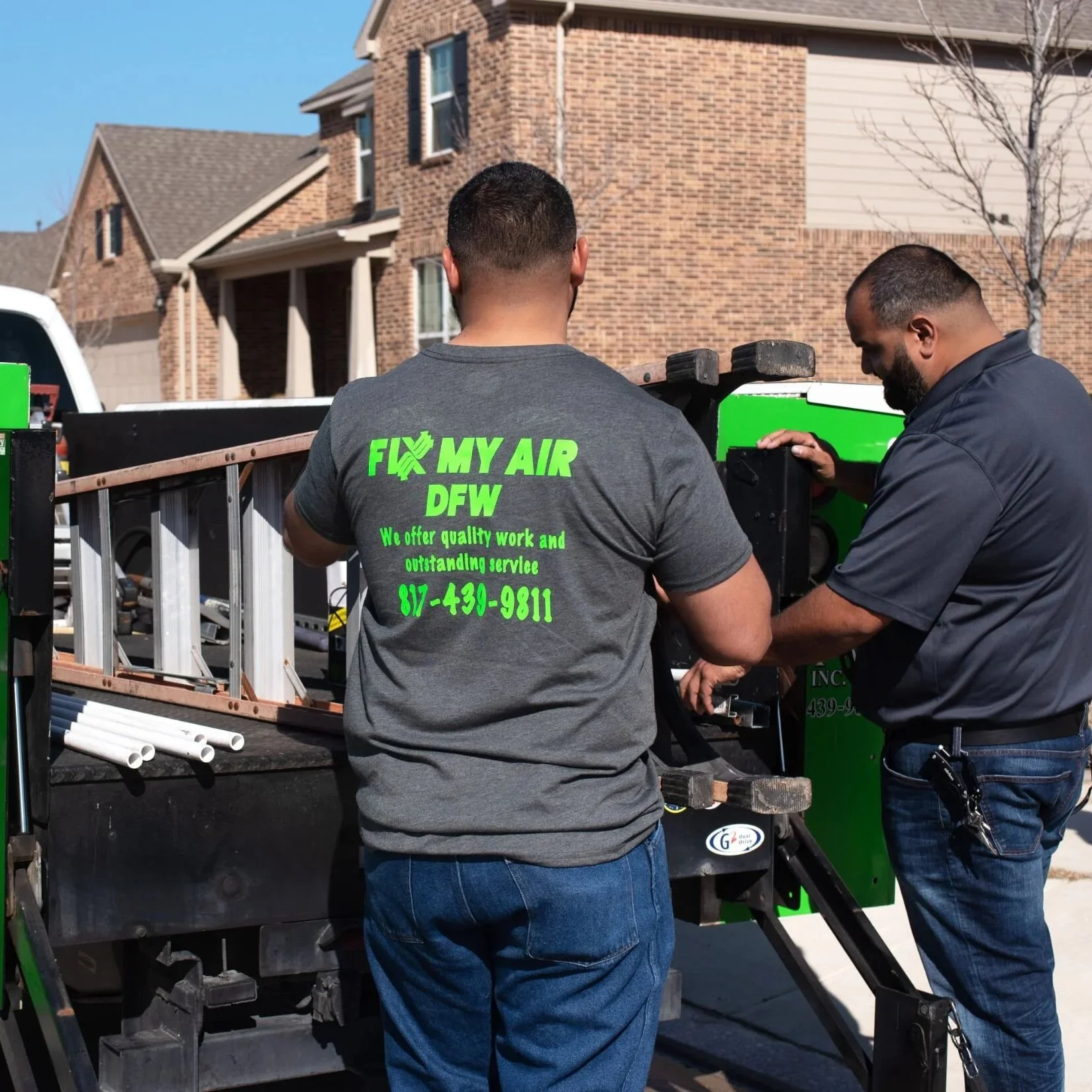
In those moments, reliable 24-hour emergency AC repair steps up to the challenge.
When the sun goes down and the air conditioning takes an unexpected vacation, the discomfort moves in quickly. Sticky rooms, sleepless nights, and a rising sense of urgency can turn a relaxing evening into a chaotic one. In those moments, reliable 24-hour emergency AC repair steps up to the challenge.
Unwelcome surprises like compressor failures or clogged drain lines don’t wait for business hours. They roll in on the hottest night of the year or during a packed weekend. Fast action matters, and having a trusted repair service in your corner makes all the difference between a night spent in misery and one where comfort returns before dawn.
Recognizing The Signs Before It Gets Worse
An air conditioner doesn’t always stop working suddenly. Sometimes the warning signs start small. Warm air slipping through the vents, strange noises during startup, or a thermostat that suddenly seems confused can all point toward trouble. Addressing issues early helps prevent full breakdowns that require emergency repairs.
A fast decline in performance, especially after hours, can often be linked to something as minor as a blown capacitor or as major as a failed compressor. The best emergency services know how to spot the difference quickly and restore function without delay. Skilled technicians work like AC detectives, tracing the root of the problem without going in circles.
Common Culprits Behind After-Hours Breakdowns
Many AC emergencies stem from familiar sources. A failed capacitor, a dirty evaporator coil, a refrigerant leak, or a worn-out contactor can all cause a system to shut down without warning. Power surges from summer storms frequently knock out control boards or short out wiring. A clogged condensate drain might trigger a safety switch that halts operation completely.
One of the sneakiest problems involves frozen coils. At first, the unit may continue to hum along, but airflow weakens, and the system struggles. Eventually, ice builds up, cutting off cooling altogether. By the time a homeowner notices, the room feels like a sauna and the coil looks like a popsicle.
After-hours service teams arrive ready for any scenario. They carry the parts, tools, and training to diagnose problems fast and get systems running again before the house turns into a sweat lodge.
Quick Dispatch Keeps Things Comfortable
Speed matters when comfort levels plummet. Emergency HVAC services that operate around the clock understand that waiting until morning isn’t always an option. A well-organized team answers calls promptly, dispatches technicians without delay, and keeps the process efficient even after regular business hours.
Experienced techs don’t wander through diagnostics blindly. They listen to symptoms, check the usual suspects first, and carry common replacement parts right on the truck. That preparation helps shorten repair time and gets the cool air flowing again before temperatures start to rise.
Communication Builds Confidence
No one wants to be left in the dark while their AC struggles to recover. Good communication helps reduce stress and builds confidence in the repair process. An emergency technician who takes the time to explain what’s going wrong, how it’s being fixed, and what it means going forward can make a frustrating situation more manageable.
Homeowners appreciate honest advice, especially when it’s the middle of the night and the living room feels like the inside of a toaster. Clear timelines and straightforward repair options provide reassurance that relief is on the way.
Temporary Fixes For Long-Term Comfort
Sometimes an emergency repair serves as a stopgap until a more complete repair or replacement can happen during regular hours. In those cases, technicians prioritize safety, basic cooling, and system stability to give homeowners breathing room without leaving them stranded in the heat.
Temporary fixes might include bypassing a faulty sensor, topping off refrigerant to keep things running, or replacing a single component to restore function until more detailed service can follow. The goal is always to restore comfort while preventing damage from worsening.
Knowing When Replacement Beats Repair
Not every emergency call ends with a quick fix. Older systems on their last leg might finally call it quits during the peak of summer. If a unit’s age, condition, and repair history all point toward replacement, the emergency visit can lay the groundwork for a smart transition.
Technicians can provide insight into available options, recommend next steps, and help homeowners avoid pouring more money into a system that’s ready to retire. While the night may still involve a temporary workaround, it paves the way for a more permanent solution when the sun rises.
Preventing Future Emergencies With Routine Care
The best emergency repair is the one that never happens. Regular maintenance can catch many issues before they evolve into full-blown breakdowns. Cleaning coils, checking refrigerant levels, testing electrical components, and inspecting drain lines help support consistent performance through every season.
Systems that receive regular TLC are less likely to stage late-night protests. They run smoother, respond better under pressure, and keep homes cool even during long heatwaves. Preventive maintenance doesn't just extend equipment life; it also keeps the emergency calls to a minimum.
Smart Thermostats Help Catch Issues Early
Modern smart thermostats offer an extra layer of defense against sudden breakdowns. Many models now include system alerts that warn about unusual performance or error codes. Some even track runtime and suggest when service might be needed.
Homeowners with these systems often spot problems earlier, which means fewer after-hours emergencies and faster recovery if something does go wrong. Pairing a smart thermostat with professional monitoring makes the HVAC system more resilient, and the home more comfortable year-round.
Preparedness Makes Nighttime Breakdowns Less Stressful
Nothing says “prepared” like knowing exactly who to call when the AC fails at 2 a.m. Establishing a relationship with a trusted HVAC provider pays dividends when emergencies strike. Regular customers often receive priority service, discounted rates, or quicker dispatch during busy times.
Keeping emergency contact info handy, along with a basic understanding of the HVAC system’s age and model number, speeds up the service process and gives the technician a head start. Peace of mind doesn't come from hoping the AC never breaks; it comes from having a solid plan in case it does.
System Age And Usage Patterns Influence Breakdowns
Older systems don’t always show their age gracefully. After years of summer service, wear and tear begin to accumulate. Electrical components corrode, compressors weaken, and refrigerant leaks become more common. Add in a particularly hot season or heavy usage, and the odds of an after-hours failure rise dramatically.
Families with constant AC use, especially in multi-level homes or those with lots of sun exposure, may notice their systems aging faster. Monitoring usage and being realistic about an older system’s limitations helps reduce shock when repairs are needed.
Pets And Air Filters Play A Bigger Role Than Expected
Clogged filters are a silent contributor to many emergency breakdowns. Homes with pets or high foot traffic tend to collect more dander, dust, and hair in the system. When filters clog, airflow drops, and the system strains to keep up. Over time, that stress can lead to overheating, frozen coils, or blower failure.
Changing filters regularly and using high-quality replacements makes a bigger difference than most people realize. It's a small step with a big impact on system longevity and reliability, especially when trying to avoid inconvenient midnight meltdowns.
Electrical Panels And Power Surges Can Complicate Repairs
Power outages, surges, and faulty circuit breakers often play a role in after-hours calls. A spike in voltage can fry control boards or trip internal safety systems. In older homes, aging electrical panels may lack the capacity or protection needed to support modern AC units consistently.
During an emergency visit, technicians often test voltage, inspect circuit connections, and rule out electrical problems before diving into deeper repairs. Understanding whether the issue lies with the AC or the home’s power setup is essential for a lasting solution.
Fast Relief Comes From A Trusted Partner
After-hours AC emergencies aren't just about mechanics and tools; they're about delivering comfort quickly and restoring peace of mind. Homeowners facing those high-stakes nights need responsive service, skilled technicians, and honest communication. When the right partner handles the call, the difference is felt not just in the temperature but in the calm that follows.
Don't let a broken air conditioner steal your peace of mind tonight. Call our 24-hour emergency AC repair team now to restore your comfort. Day or night, help is just a call away.
Do not let air conditioner or furnace issues affect you. Fix My Air DFW is a licensed company offering 24-hour emergency AC repair and 24-hour emergency heating repair to Fort Worth, TX, residents. As a certified AC and heating company, we ensure seamless communication and remarkable results. Get your free estimate today!
