
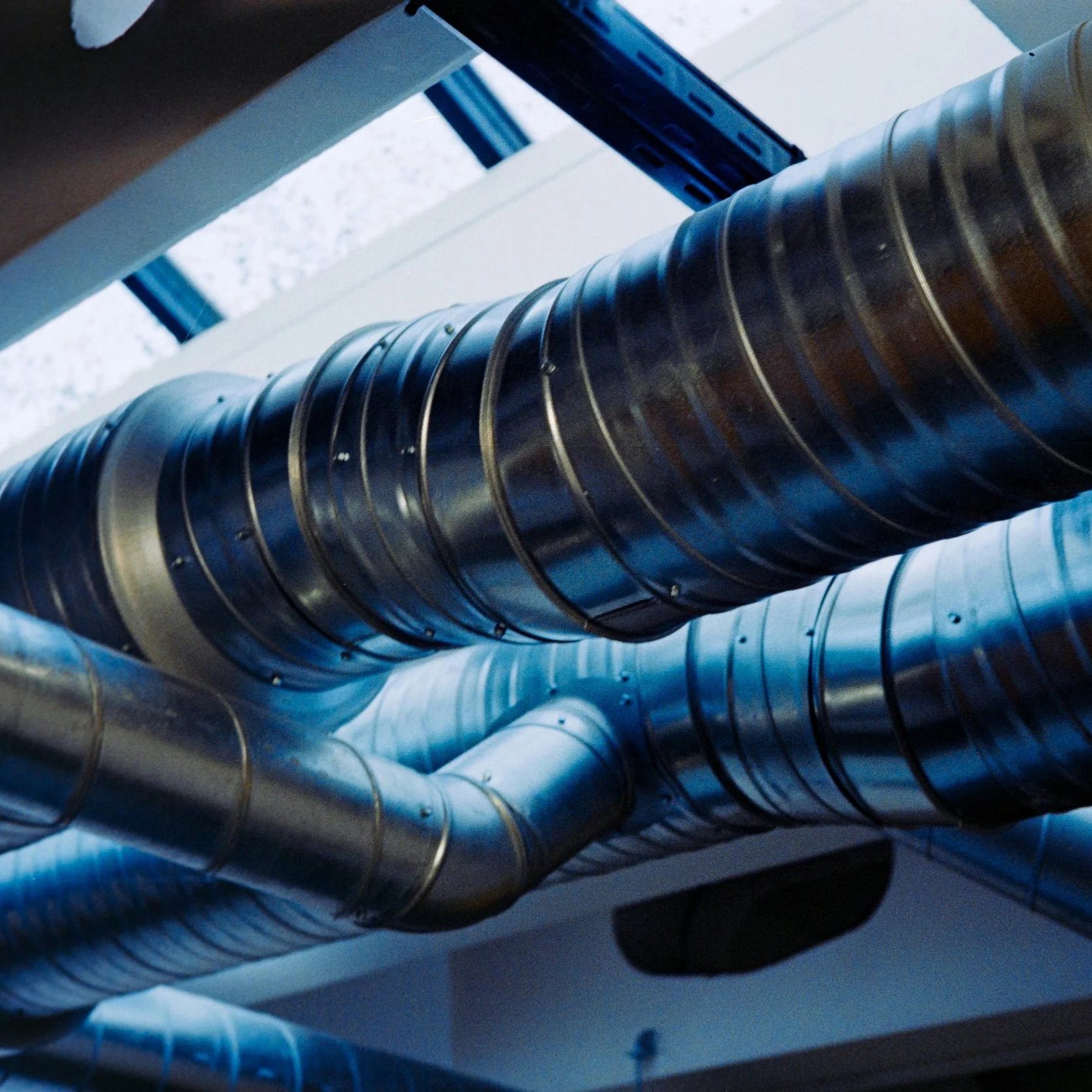
New ducts can mean more than just better airflow; they can reset the tone for cleaner, quieter, and more efficient comfort indoors.
Old ductwork has a way of hiding its flaws until symptoms spill into the living space. What once quietly moved air without fuss can suddenly feel like it's staging a full rebellion, leaking, rattling, or spreading more dust than fresh air. When the air inside starts feeling stale, or comfort becomes inconsistent from room to room, it may be time to look beneath the surface. New ducts can mean more than just better airflow; they can reset the tone for cleaner, quieter, and more efficient comfort indoors.
The Role of Ductwork in Indoor Comfort
Ducts serve as the delivery crew for every bit of conditioned air the HVAC system produces. When they’re in prime shape, they quietly and efficiently distribute warm or cool air exactly where it’s needed. But with age or poor installation, ducts can become a liability. Cracks form. Seams pull apart. Dust invades. Moisture sneaks in. The entire performance begins to unravel, and the home feels it.
When ducts falter, the HVAC system works overtime trying to make up the difference. Air spills into attics or crawl spaces, never making it into living areas. That loss means higher utility bills, fluctuating temperatures, and increased strain on equipment. Professional duct replacement clears the slate and allows the system to operate with less resistance and waste.
Signs That Ducts Need Replacing
Stale air, inconsistent temperatures, or excessive dust buildup are usually the first clues. Sometimes it’s a subtle decrease in comfort. Other times, it’s a dramatic rise in energy costs with no clear cause. Damaged or undersized ducts often become the root of the problem, sending mixed signals through the system.
Visible damage, such as sagging lines, rusted metal, or crushed flex duct, shows that airflow is no longer traveling as intended. In homes where duct tape seems to be holding everything together, replacement can be a more effective long-term fix than another patch job. Mold growth around vents or within the duct lining signals moisture intrusion, another issue that calls for immediate attention.
The Impact on Indoor Air Quality
Leaky or poorly insulated ducts act like straws in all the wrong places. They pull air from dusty attics, musty basements, or crawl spaces lined with insulation scraps and rodent memories. That unwanted air bypasses filters and sails directly into the living space, bringing allergens, dust mites, and unpleasant odors along for the ride.
Old ducts can also harbor contaminants of their own. Layers of dust, pet dander, pollen, and microbial growth build up over time. As airflow pushes through, it stirs everything up like a leaf blower in a dusty garage. Fresh air becomes polluted in transit, undoing the efforts of even the best air filters. Replacing the ductwork eliminates these hidden reservoirs of grime and allows air to arrive clean and untainted.
Efficiency Gains from Sealing and Replacement
Even small gaps in duct seams or joints allow a surprising amount of air to escape. Studies have shown that the average home loses up to 30% of conditioned air due to duct leaks. That’s like running the AC for hours and cooling the attic instead of the living room. Replacing old ducts with modern, well-sealed systems restores efficiency and improves air pressure throughout the home.
Professional installation also corrects sizing and layout issues that may have existed for years. Undersized or overly long duct runs choke airflow and force blowers to work harder. A custom-designed duct system improves velocity, reduces pressure drop, and shortens the time it takes for air to reach each room. That means faster comfort, less noise, and lower energy bills over time.
Noise Reduction and System Longevity
Whistling, popping, or rumbling sounds in the ductwork often trace back to poor design or damage. When airflow meets resistance or encounters loose connections, noise becomes part of the package. Sealing gaps or replacing flimsy ducts with properly sized, insulated materials cuts down on acoustic interference. The result is a quieter, calmer home, even while the HVAC system hums along in the background.
Less noise is only one benefit. Better airflow also means the furnace and air conditioner don’t have to work as hard to push air through the system. Reduced strain leads to fewer repairs and longer lifespans for key components. Instead of wearing down compressors and blowers with every cycle, the system operates within its comfort zone.
The Difference of Professional Workmanship
Replacing ductwork isn’t a glamorous job, but it demands precision and planning. Professional technicians assess the current layout, measure airflow needs, and design a system that supports comfort without overloading the equipment. It's not just about running a few tubes; it's about creating a high-performance network built for the space.
Professionals also use better materials. Rigid metal ducts, flexible insulated tubing, and high-grade sealants replace the sagging, torn, or patched-together maze that may have built up over the years. Clean connections, proper insulation, and airtight joints help every part of the HVAC system perform more efficiently. No guesswork. No shortcuts. Just reliable airflow day after day.
Addressing Humidity and Condensation Issues
Leaky ducts can introduce more than just dust. In humid environments, uninsulated or damaged ducts invite condensation to form on or inside the lines. That moisture supports mold growth, degrades insulation, and corrodes metal. Before long, indoor air feels muggy even with the air conditioner running full blast.
Proper duct replacement includes upgraded insulation and sealing that protect against condensation. The system moves air at the right velocity and temperature without creating cold spots where moisture collects. Comfort improves, the musty smell fades, and the air remains crisp and clean.
Temperature Consistency and Zoning Benefits
Uneven heating and cooling often point to duct problems. Some rooms feel like a sauna while others hover near refrigerator temps. Air may not be reaching those outer rooms due to collapsed duct lines, long runs, or internal blockages. Replacing old ductwork creates an opportunity to balance the system correctly.
Modern zoning solutions can also be incorporated during replacement. With dampers and individual thermostats, different areas of the home receive only the air they need, with no more battling over a single central thermostat. Comfort becomes customizable without driving up energy use.
Allergen Control and Respiratory Relief
When air travels through contaminated ducts, it carries allergens with every breath. Dust, pet hair, pollen, and mold particles aggravate allergies and respiratory conditions. Filters do some of the heavy lifting, but they can’t compensate for decades of buildup inside neglected ductwork.
By removing old ducts and starting fresh, indoor air gains a fighting chance. New lines stay clean longer, and filters work more effectively because they’re not overloaded from the start. Breathing becomes easier, especially for children, seniors, and those with asthma or sensitivities.
A Cleaner, More Comfortable Home
Clean ducts mean less dusting, fewer odors, and a home that feels fresher from the moment the system kicks on. Furniture stays cleaner, and vents stop blowing debris into corners. Air moves with purpose instead of meandering through leaky joints and dusty trunks. Every part of the space benefits from a better breathing experience.
A duct replacement isn’t the most visible home improvement, but its effects ripple through every room. From morning to night, comfort feels steadier, quieter, and cleaner. The HVAC system doesn’t have to fight its own infrastructure anymore. It simply works, like it's supposed to.
Get high-quality duct replacement and sealing and top-quality HVAC parts to keep your HVAC unit in perfect shape, improve efficiency and lower your energy bills. We aim to ensure that your heating and cooling system performs optimally and offers maximum comfort. Our local, trained, licensed, and insured HVAC contractors ensure excellent service and attention to detail. Call now!
